Is Sourdough Fermentation Gluten-Free?
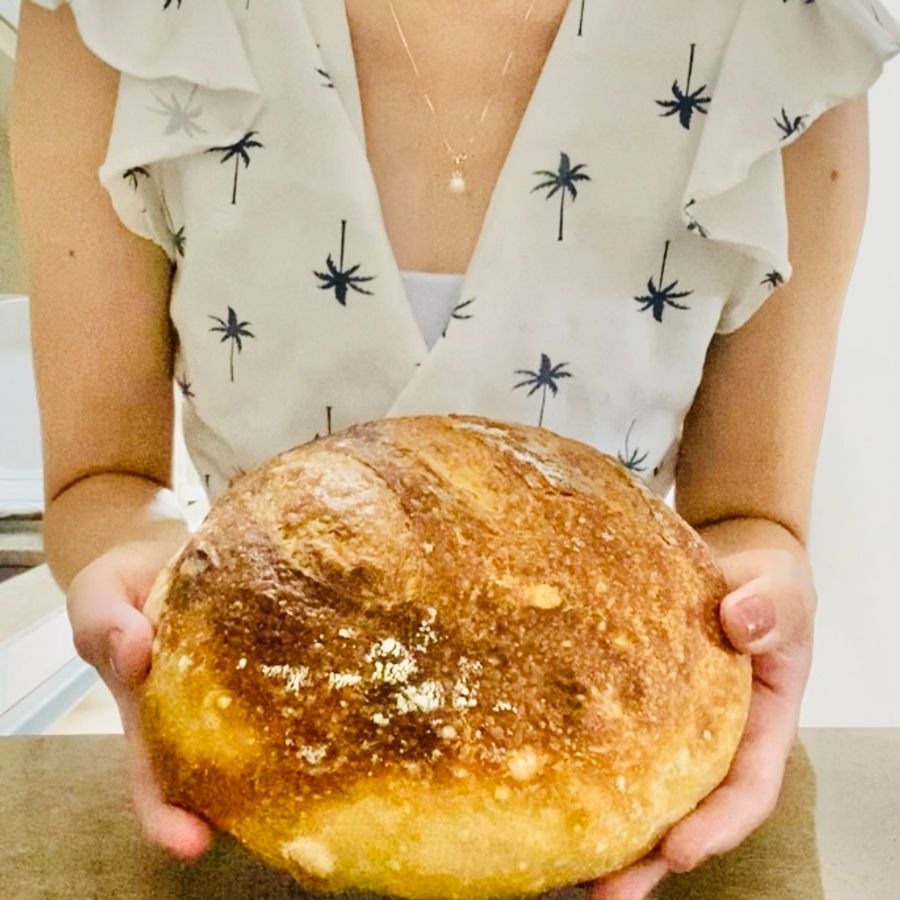
Understand what sourdough fermentation is and what it does.
There's a common misunderstanding about sourdough fermentation: it doesn't necessarily make a recipe made with wheat flour gluten-free.
To get a truly gluten-free recipe, you need to use gluten-free flours and ingredients.
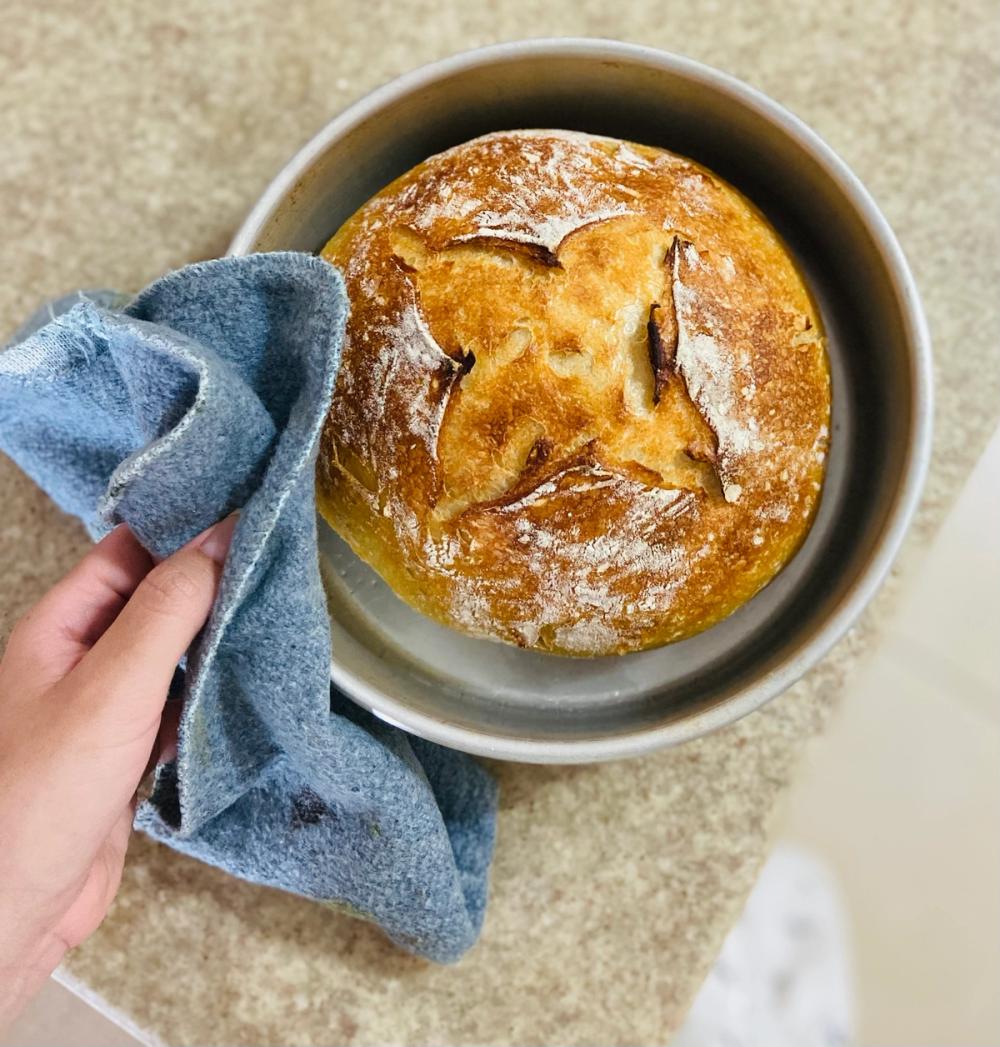
But it is true that sourdough fermentation helps a lot so that recipes made with regular flour stop causing discomfort, bloating, and poor digestion.
That was the case here at home.
We thought we were gluten intolerant. I tried gluten-free breads for a year and realized it just doesn't work — bread is bread.
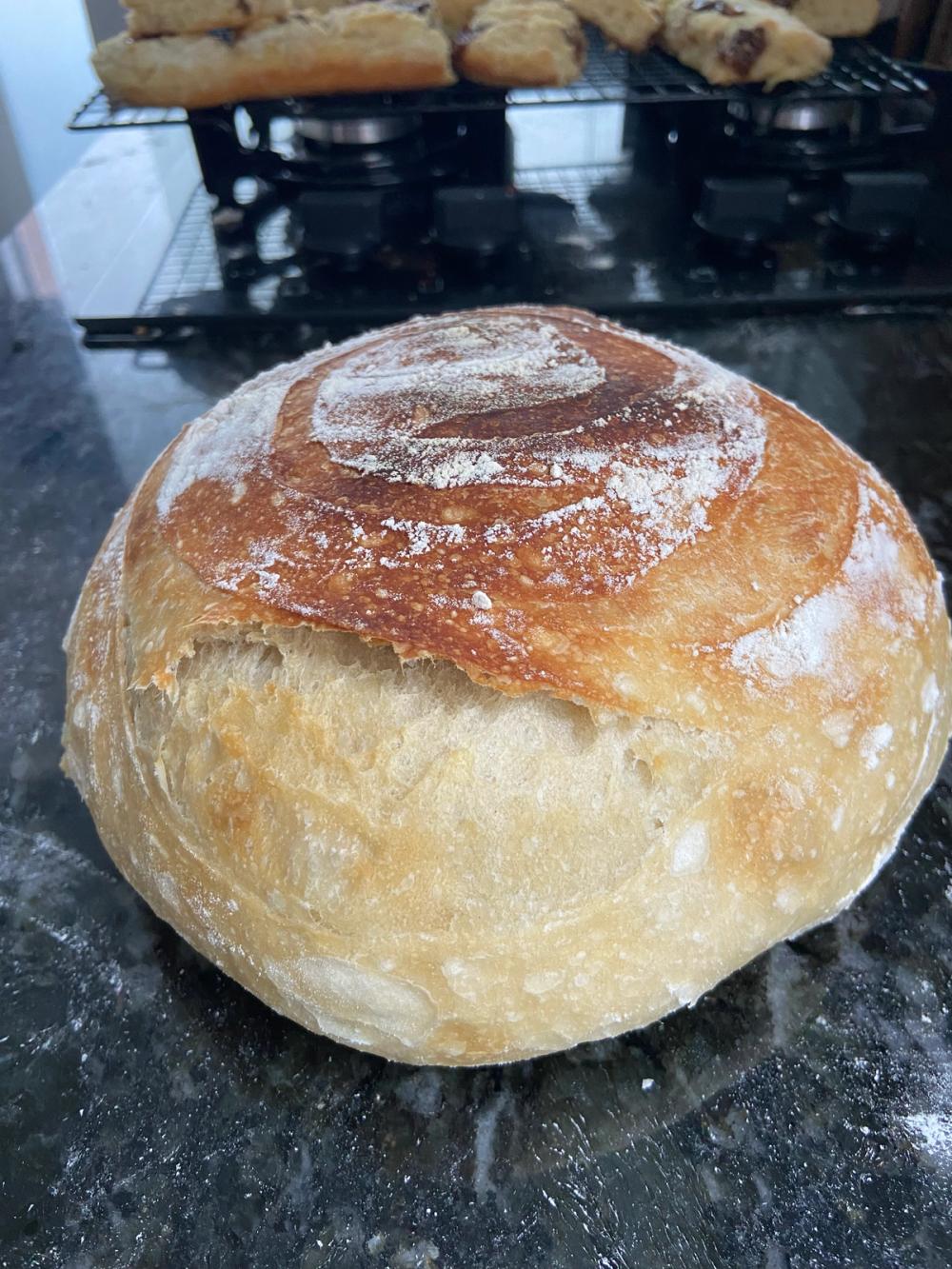
Then I discovered sourdough fermentation, and our life changed. My husband stopped feeling sick after eating homemade dough and bread made with sourdough starter, but he still felt sick eating store-bought bread or when we went to someone's house or a party.
Sourdough starter is a live, active culture full of bacteria and wild yeast, the result of fermenting flour with water.
This helps “break down” the gluten in recipes, boosts the body's absorption of nutrients, and makes digestion easier.
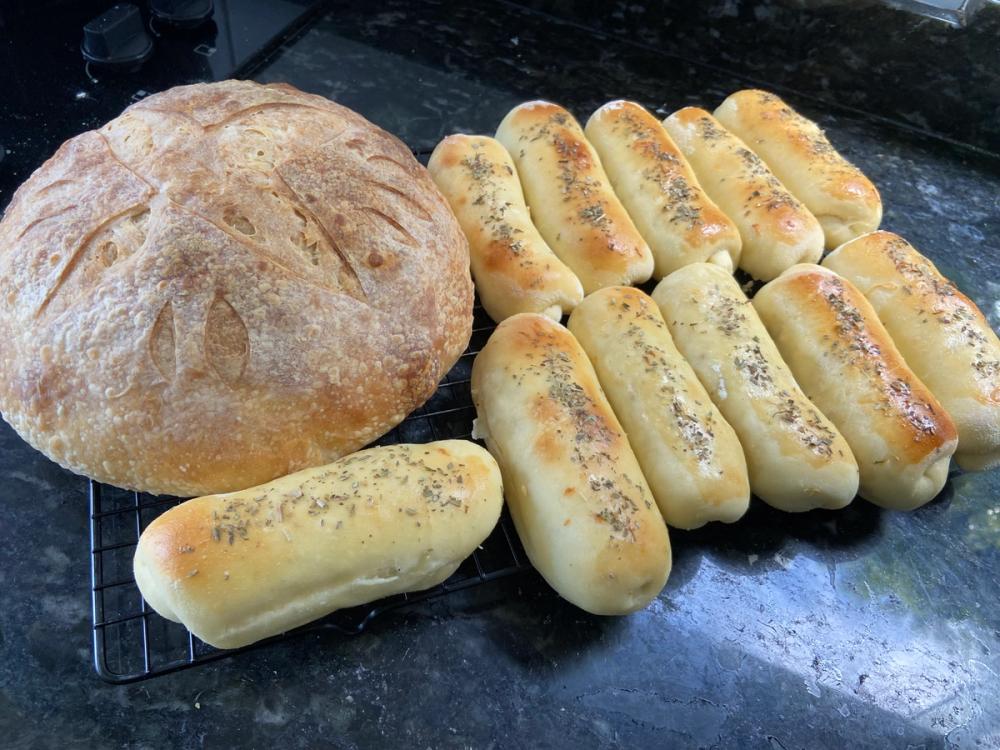
In other words, if you're sensitive to gluten, sourdough fermentation can help you a lot and improve your life when eating bread and dough.
But if you have celiac disease, that's a different story — seek treatment and avoid gluten.
Besides the flavor and aroma, what changes with sourdough recipes is the dough's rising time — if bread used to take 30 minutes or 2 hours, now it takes around 8 hours.
This slow fermentation makes all the difference — the gluten has time to relax before entering our bodies, and the bread becomes much healthier.